

You spotted droppings in the pantry. Or maybe there’s scratching in the walls at 2 a.m. Now you’re Googling prices, bracing for sticker shock. Here’s the truth: pest control costs range from $50 to $500, with the national average around $171. But that number means nothing without context. Your final bill depends on what’s invading, how bad it’s gotten, and what it takes to kick them out for good.
This guide breaks down the real numbers so you can budget with confidence.
What you’ll learn:
- Average costs by pest type (termites, rodents, roaches, and more)
- One-time vs. monthly vs. quarterly pricing
- What factors drive your quote up or down
- DIY vs. professional treatment costs
- How to save money without cutting corners
We’re Caught’em Termites & Pest Control, South Florida’s go-to team for everything from termites to raccoons. We’ve seen it all, and we’re here to give you the straight answers before you pick up the phone.
Average Costs by Pest Type
A trail of ants in your kitchen won’t cost the same as termites silently chewing through your walls. The type of critter dictates the treatment method, the materials needed, and ultimately, your bill.
Here’s a quick breakdown of what you can expect to pay:
| Pest Type | Average Cost Range | Why It Costs What It Does |
|---|---|---|
| Ants | $100 – $500 | Simple baits and sprays; cost rises with carpenter ants |
| Cockroaches | $100 – $500 | Gel baits and growth regulators; German roaches cost more |
| Rodents (mice/rats) | $150 – $700 | Traps, bait stations, and entry point sealing |
| Termites | $250 – $3,500+ | Specialized chemicals, potential structural repair |
| Bed Bugs | $300 – $5,000 | Heat treatments, multiple visits, stubborn nature |
| Wildlife (raccoons, opossums) | $400 – $1,200 | Humane trapping, exclusion work, habitat modification |
| Wasps/Bees | $100 – $500 | Nest removal; location and species affect price |
Why Some Pests Cost More
Termites top the expensive list for good reason. They hide deep inside wood structures, and by the time you spot damage, they’ve often been feasting for months. Treatment requires specialized products and sometimes fumigation, which can push costs to $8,000 for severe cases.
Bed bugs are notoriously stubborn. They resist many common pesticides and reproduce fast. Most infestations need heat treatment or multiple chemical applications spread over several weeks.
Rodents fall in the middle. The initial removal might seem affordable, but proper control includes sealing entry points to prevent them from returning. Skip that step, and you’ll be calling again in a few months.
Pro Tip
The pest you see isn’t always the pest you have. A few roaches in the kitchen could signal a larger colony hiding in the walls. At Caught’em Termites & Pest Control, we offer thorough inspection services to identify exactly what you’re dealing with before recommending treatment. This prevents you from paying for the wrong solution.
One-Time vs. Monthly vs. Quarterly Pricing
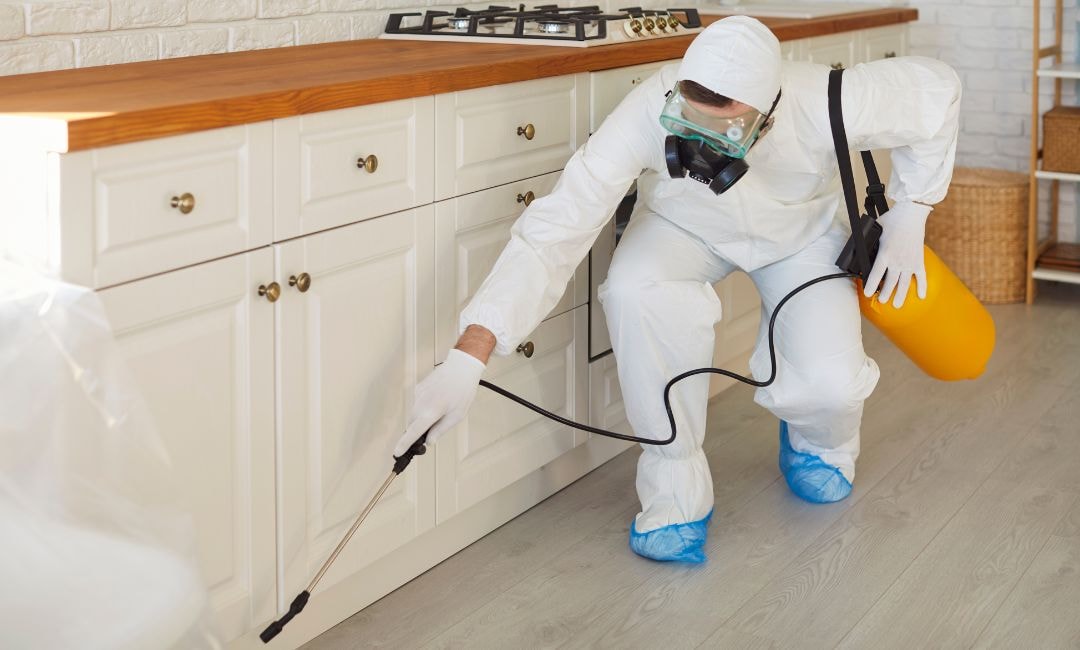
Choosing a pest control plan is like picking a gym membership. Pay-as-you-go sounds flexible, but it often costs more over time. Committed plans? They offer better value if you stick with them.
Here’s how the pricing structures break down:
| Service Type | Average Cost | Best For |
|---|---|---|
| One-time treatment | $150 – $550 | Minor infestations, isolated pest problems |
| Monthly service | $40 – $70/visit | High pest pressure areas, severe infestations |
| Quarterly treatments | $100 – $300/visit | Most homeowners seeking ongoing protection |
| Annual plans | $300 – $600/year | Preventive measures, bundled services |
One-Time Services
A one-time treatment addresses an immediate pest problem. You call, they come, they spray. Done.
The catch? Most pest control companies only guarantee results for 30 days. If pests return after that window, you’re paying again. One-time services work well for isolated issues like a single wasp nest or a small ant trail. But for common pests that reproduce quickly, like roaches or rodents, a single visit rarely solves the problem long-term.
Monthly and Quarterly Plans
Recurring pest control plans flip the script. Instead of reacting to infestations, you’re preventing them.
- Monthly service makes sense if you live in an area prone to year-round pest activity. South Florida definitely qualifies. The humidity, warmth, and abundant vegetation create constant pest pressure that demands consistent attention.
- Quarterly treatments hit the sweet spot for most homeowners. Standard pesticides typically last about three months before losing effectiveness. Scheduling follow-up visits every 90 days keeps your home protected without unnecessary trips.
Pro Tip
Many pest control plans include free callbacks between scheduled visits. At Caught’em Termites & Pest Control, if pests return before your next appointment, we come back at no extra charge. Always ask about this before signing any contract.
What Factors Drive Your Quote Up or Down
Two neighbors with identical houses can receive wildly different quotes. Why? Because pest control pricing depends on several key factors beyond just “what bug is it.”
The Big Five Cost Drivers
- Pest Type: Different pests require different treatment strategies. General pest control for ants or spiders runs cheaper than specialized termite or bed bug work. Some jobs require multiple treatments and chemical treatments that cost more upfront.
- Infestation Severity: A few scout ants near your kitchen window? That’s a minor issue. A colony embedded in your walls with satellite nests throughout the house? That’s a serious problem requiring extensive treatment. Severe infestations demand more product, more time, and often multiple visits.
- Property Size: Larger homes mean more ground to cover. Most pest control companies charge 15-30% more for properties over 2,000 square feet. This applies to both residential and commercial properties.
- Accessibility: Pests hiding in easy-to-reach spots like baseboards cost less to treat. Infestations in attics, crawl spaces, or inside walls? Those jobs require more labor and specialized equipment, driving up your bill.
- Geographic Location: Pest control service costs vary depending on where you live. Urban areas typically charge more due to higher labor costs. Regions with intense pest pressure, like South Florida, may also see slightly elevated pricing because treatments need to be more frequent and thorough.
Hidden Costs to Watch For
- Initial inspection fees: Some companies charge $100-$450 for the first assessment, though many offer free inspections
- Follow-up services: Make sure you understand what’s included and what costs extra
- Exclusion work: Sealing entry points often comes as a separate line item
- Emergency or same-day service: Expect to pay 1.5x to 2x the normal rate
DIY vs. Professional Treatment Costs
The hardware store aisle is full of sprays, traps, and foggers promising to solve your pest problem for under $50. Tempting, right?
Let’s break down when DIY pest control makes sense and when calling a professional exterminator saves you money in the long run.
When DIY Methods Work
DIY pest control solutions can handle minor issues effectively:
- Baiting for ants: Over-the-counter baits work nearly as well as professional-grade products for small ant problems
- Exterior perimeter sprays: A good repellent around windows and doors provides basic defense
- Traps for occasional rodents: A few mice in the garage? Snap traps might do the trick
Typical DIY costs: $20-$150 for supplies
When DIY Methods Fail
Here’s where things get expensive. DIY methods often provide temporary relief without addressing the root cause. Pests return. You buy more products. The cycle continues.
Common scenarios where professional pest control wins:
- Rodent control: You’re playing whack-a-mole without sealing entry points. Pros identify 20-30 potential access areas most homeowners miss.
- Termites: By the time you spot damage, they’ve been feasting for months. Professional pest management with specialized products is the only reliable solution.
- Bed bugs: These pests resist most over-the-counter chemical treatments. Heat treatment or professional-grade applications are typically necessary.
- Recurring infestations: If the same pest keeps coming back, DIY methods aren’t cutting it.
The Real Cost Comparison
| Approach | Upfront Cost | Long-Term Reality |
|---|---|---|
| DIY (repeated attempts) | $20-$150 each time | Can exceed $500+ annually with ongoing issues |
| Professional one-time | $150-$550 | Solves most isolated problems |
| Professional annual plan | $300-$600/year | Prevents costly repairs and recurring infestations |
The math often favors professional services when you factor in time, repeated product purchases, and potential structural damage from untreated infestations.
Pro Tip
A licensed pest control company brings integrated pest management expertise that goes beyond spraying chemicals. They identify why pests are entering, seal vulnerabilities, and create long-term solutions. At Caught’em, our inspection services uncover the source of your problem before recommending any treatment.
How to Save Money Without Cutting Corners
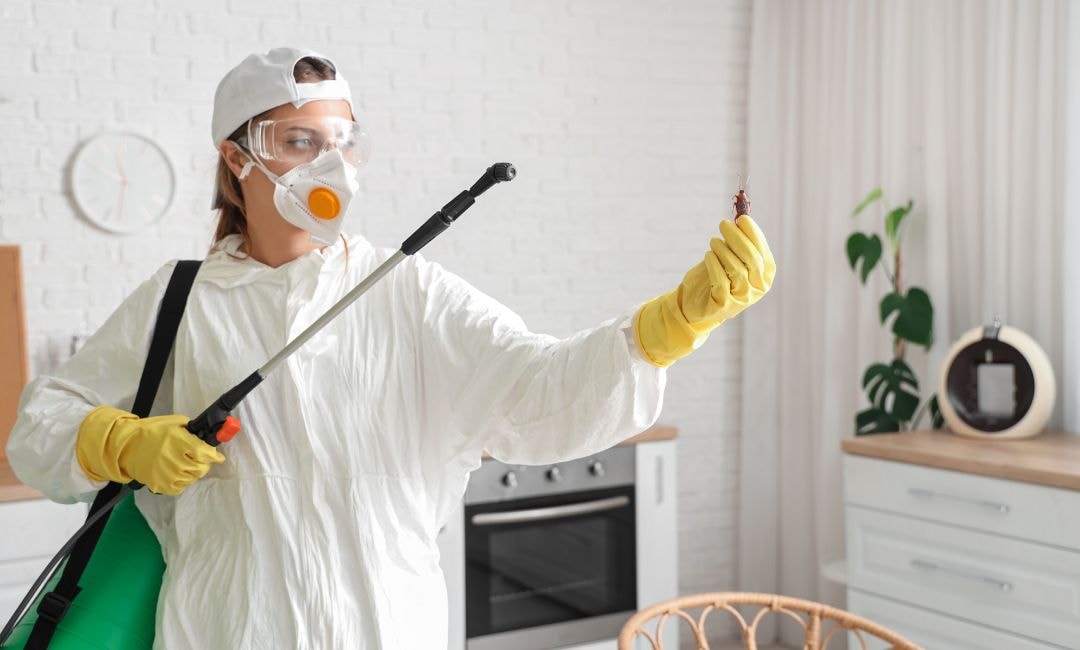
Nobody wants to overpay for pest control. But skimping on quality often costs more when pests return or cause structural damage. Here’s how to reduce costs while still getting effective treatment.
Smart Strategies That Actually Work
- Get multiple quotes. Contact at least three local companies before deciding. Compare not just prices, but what’s included. A cheaper quote might exclude follow-up visits or warranties that a slightly higher bid includes.
- Ask about bundled services. Many pest control businesses offer discounts when you combine treatments. Bundling termite protection with general pest control or adding rodent control to your plan often costs less than purchasing each service separately.
- Choose preventive over reactive. Maintenance plans cost less per visit than emergency one-time services. More importantly, they catch problems early. A small ant issue caught during a routine visit costs far less to treat than a full-blown infestation discovered six months later.
- Schedule during off-peak seasons. Spring and summer see the highest demand for exterminator services. Booking preventive treatments in late fall or winter can sometimes land you better rates.
- Act fast. The longer you wait, the worse infestations get. What starts as a $200 treatment can balloon into a $2,000 problem if you delay. Call at the first sign of pest activity.
Questions to Ask Before Signing
- What’s included in your guarantee? How long does it last?
- Are follow-up visits included if pests return?
- Do you offer free inspections?
- What preventive measures do you recommend?
- Are your technicians licensed and insured?
Avoid These Money Traps
- Choosing the cheapest quote blindly. Rock-bottom pricing often means cutting corners on products or skipping thorough inspections.
- Paying for services you don’t need. A reputable pest control expert won’t push unnecessary treatments. Be wary of companies recommending expensive services without clear justification.
- Ignoring the warranty. A slightly higher price with a solid guarantee beats a cheaper service with no follow-up protection.
Why Local Companies Often Deliver Better Value
National chains may advertise lower intro rates, but local pest control companies often know regional pests better. They understand local pest pressure patterns, common entry points in area home construction, and which treatments work best for South Florida’s unique climate.
At Caught’em Termites & Pest Control, we’ve protected South Florida homes for years. Our founder, Shea Hayley, grew up here and has over 20 years of experience with local wildlife and pests. That knowledge translates into cost-effective solutions tailored to your specific situation, not generic treatments that may or may not work.
Get Honest Pest Control Pricing With Caught’em
Understanding pest control pricing puts you in control. You now know what drives costs, when DIY makes sense, and how to avoid overpaying for services that don’t deliver results.
Key takeaways:
- Average pest control costs range from $50 to $500 per visit, with the national average around $171
- Quarterly plans ($100-$300/visit) offer the best balance of protection and value for most homeowners
- Pest type, infestation severity, and property size are the biggest factors affecting your quote
- DIY pest control methods work for minor issues, but often cost more in the long term for serious infestations
- Acting fast and choosing preventive plans saves money compared to emergency treatments
Caught’em Termites & Pest Control has helped South Florida homeowners navigate these decisions for years. Whether you need a one-time treatment or ongoing protection, we provide upfront pricing with no hidden fees. Request your free inspection today and get honest numbers before you commit.
FAQs
What is the hardest pest to get rid of?
Bed bugs and termites top the list. Both hide deep within structures and resist many DIY pest control methods. Bed bugs require heat treatment or multiple professional applications, while termites demand specialized chemical treatments. The cost of pest control for these pests runs higher because complete elimination often requires several visits over weeks or months.
How much does an exterminator cost in NJ?
In New Jersey, average pest control costs range from $150 to $400 for one-time general treatments. The cost, depending on pest type, varies significantly. Termite work runs $250 to $1,500+, while wildlife removal for raccoons or squirrels typically costs $300 to $600. Initial treatment fees may be higher, with follow-up visits priced lower.
Is pest control worth doing?
Yes. Professional pest control prevents health risks from disease-carrying pests like rodents and roaches. It also protects your home from structural damage that termites and carpenter ants cause. The cost of pest control is far less than repairing a termite-damaged foundation or treating illnesses spread by pests. Most homeowners find ongoing plans more cost-effective than repeated emergency calls.
How much does pest control cost in Alabama?
Alabama homeowners typically pay $100 to $300 for general pest control treatments. The cost, depending on your location within the state and infestation severity, can push prices higher. Termite treatments average $200 to $900 for initial treatment, while rodent control runs $150 to $400. Many companies avoid harsh chemicals upon request, though eco-friendly options may cost 20-30% more.

